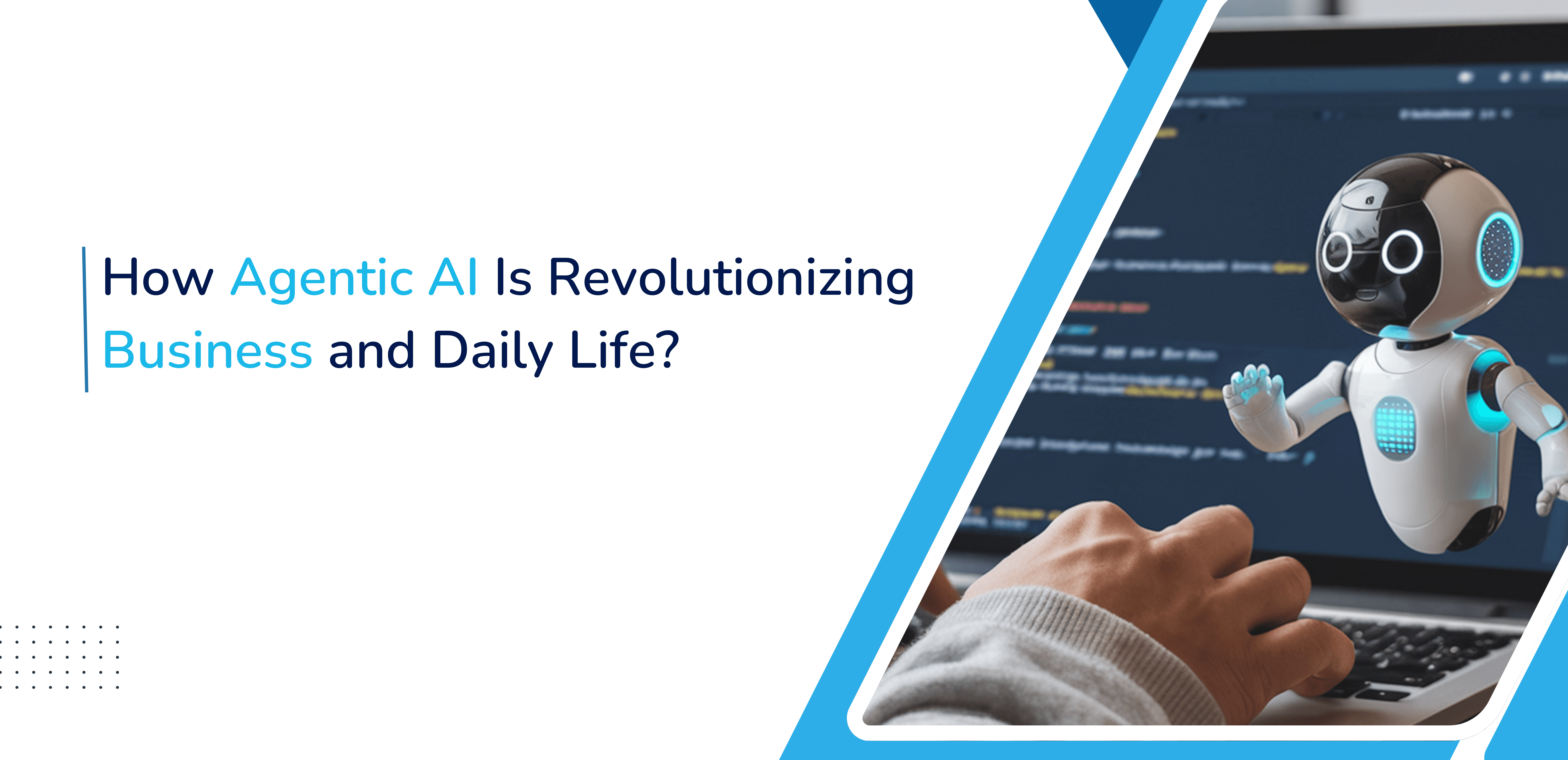
Artificial Intelligence has evolved rapidly over the past decade. Now, a new wave - Agentic AI- is changing the conversation from automation to autonomy. These intelligent, goal-driven agents can understand objectives and make decisions. They act proactively in complex environments, often without direct human supervision.
Agentic AI goes beyond automating tasks; it can predict customer needs or manage entire production lines. This capability is reshaping operational efficiency, customer experience, and business agility. In recent projects, HabileLabs has seen AI agents increasing productivity and saving costs
What Is Agentic AI?
Agentic AI refers to software agents that operate independently to achieve specific goals. Agentic AI uses large language models (LLMs), machine learning, and natural language processing (NLP). This allows it to have human-like conversations while performing complex tasks in the background.
Where traditional AI analyzes data and returns insights, Agentic AI takes the next step. It decides what to do with those insights and executes the plan. It can:
- Perceive its environment.
- Reason through complex variables.
- Plan multi-step actions.
- Coordinate with other systems.
- Learn continuously from new data and feedback.
Think of it as moving from a calculator to a co-worker. This co-worker not only knows the math but can also decide which calculations matter and take action based on the results.
Why Agentic AI Matters Now
Advances in LLMs, edge computing, APIs, and cloud scalability now let AI agents run entire workflows on their own.
Gartner projects that by 2028, 33% of enterprise software will have Agentic AI features. This is a big increase from less than 1% in 2024. By 2026, over 70% of enterprises will use agent-based systems for complex decisions.
This growth is being driven by three major factors:
- Rising operational complexity requires faster, more informed decisions.
- Pressure to reduce costs through deeper automation.
- Customer expectations for proactive, personalized service.
Based on our experience with AI-led changes, these pressures are creating a clear chance for autonomous agents. They can move from pilot projects to important operations.
Key Benefits for Businesses
- Enhanced Decision-Making - Agentic AI processes massive datasets in seconds, identifying patterns and predicting outcomes. This helps in making consistent and unbiased decisions. In finance, for instance, it can detect anomalies in transactions and start fraud prevention measures before losses occur.
- Operational Efficiency - These agents handle both routine tasks and multi-layered workflows, freeing human employees. A manufacturing agent can find a machine problem. It can order a new part and change production tasks without waiting for human approval.
- Proactive Customer Experiences - Instead of reacting to issues, Agentic AI anticipates them. AI can notify the customer in case delivery delay, explain the reason, and issue an apology coupon, before the customer reaches out. This builds loyalty and reduces customer service load.
- Scalability Without Added Costs - AI agents work 24/7 and can handle thousands of simultaneous tasks. They don’t need the proportional staffing increases that human scaling demands.
- Continuous Learning - With every interaction, these agents improve. Their feedback loops allow them to adapt to new regulations, market trends, and customer behaviors.
Real-World Applications Across Industries
- Customer Support: Context-aware agents that recall past interactions, interpret tone, and adapt responses dynamically.
- Manufacturing: Agents can coordinate entire production lines, adjusting speed and workflows in real time based on sensor data and market demand. This reduces downtime, optimizes resource use, and strengthens supply chains.
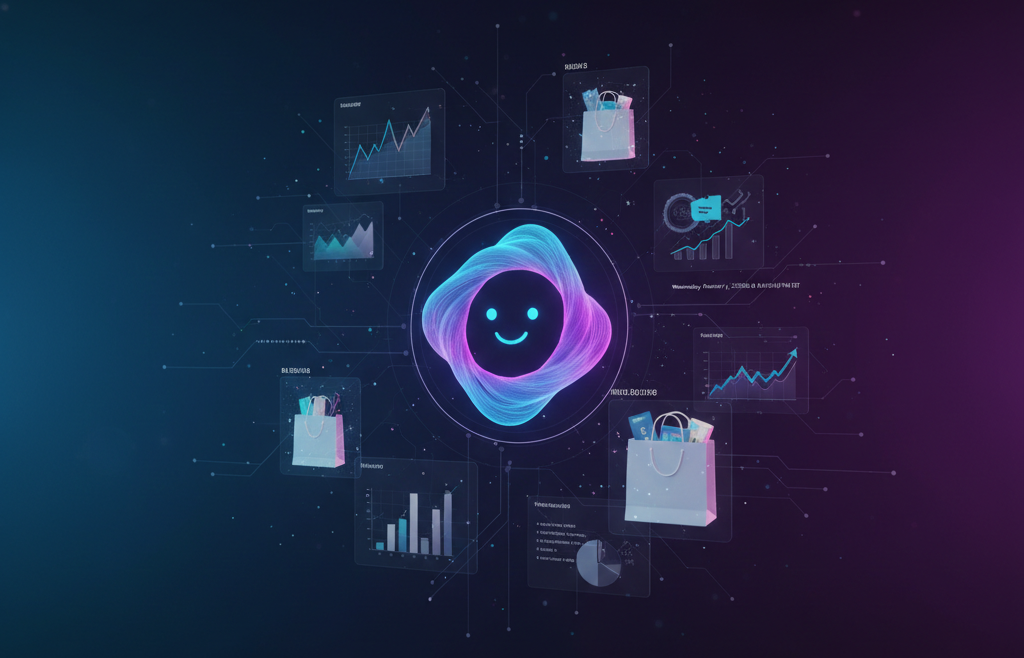
- Retail & E-Commerce: By analyzing shopping habits, Agentic AI offers hyper-personalized recommendations, manages returns autonomously, and optimizes promotions for individual customers.
- Healthcare: Systems track patient treatment plans, schedule follow-ups, and flag risks for medical staff.
- Human Resources: Automate onboarding - from sending contracts for e-signature to scheduling training sessions. They can also track employee satisfaction and provide HR teams with actionable feedback.
- Sales & Marketing: AI-powered sales agents can nurture leads across many channels. They can run A/B tests on campaigns and adjust messaging for better conversions.
How to Implement Agentic AI Effectively
Deploying Agentic AI isn’t just a tech upgrade - it’s a strategic shift. Businesses must prepare in three core areas:
- Data Readiness
- Ensure data is high quality, well-governed, and compliant with regulations.
- Build pipelines for continuous data flow to keep agents up to date.
- Infrastructure
- Invest in robust computing power, secure APIs, and scalable cloud or hybrid environments.
- Enable edge-to-cloud intelligence so agents can act in milliseconds where needed.
- Organizational Preparedness
- Train teams in AI literacy and collaborative workflows.
- Use change management to reduce resistance and build trust in AI systems.
Challenges to Navigate
- Ethics & Trust: Who is accountable for AI-driven decisions? Businesses must establish clear governance and ensure transparency, fairness, and explainability.
- Security Risks: Autonomous systems can be targets for cyberattacks. Misuse by insiders or external actors could lead to data breaches or system manipulation. Strong security protocols are essential.
- Integration Complexity: Legacy systems may need upgrades to support seamless agent workflows. Poor integration can lead to disruptions rather than efficiencies.
The Future Outlook
Agentic AI is moving from experimental to essential. By the end of this decade, we can expect:
- 1 billion AI agents in operation worldwide by 2026 (IBM/Salesforce forecast).
- AI is managing 15% of work decisions and influencing executive board choices.
- Autonomous agents handling end-to-end business functions with minimal human oversight.
Yet, the most successful organizations won’t treat AI as a replacement for humans. They’ll create symbiotic ecosystems where humans and AI agents collaborate. In this model:
- AI handles repetitive, data-heavy, time-sensitive tasks.
- Humans focus on strategic, creative, and empathetic functions.
Final Thoughts
Agentic AI is not just another step in automation; it’s a leap toward intelligent delegation. The question isn’t if companies will adopt Agentic AI, but how fast they’ll integrate it into their core operations.
Organizations that start experimenting now can refine their models according to the technology. They could be ready to scale when market adoption hits full stride.
At HabileLabs, our work in AI engineering and enterprise integration has shown us that the most successful implementations are those where technology and people are aligned from the start. By treating Agentic AI as both a technical and cultural evolution, businesses can position themselves to lead in this new era of autonomy.